

Recently during our Heas Up Bible study, we were taken through the naming of Israel and reminded of how that name came about. Before becoming Israel, Jacob was Jacob: a man whose very name carried connotations of striving, grasping, and deception. Yet despite all of that, he became the recipient of God’s blessings, passed down from Abraham. When I read the story of Jacob again, the first reminder I received was that God’s faithfulness has never depended on human perfection. If it did, none of us would qualify. And while there are many insightful directions I could take this piece, this is not the sole aspect of the story I want to anchor my reflections on. Instead, I also want to focus on the wrestle that precedes it.
In Genesis 32, Jacob, a man aleady in struggle, is alone and wrestles with another ‘man’ (who some say is God in human form) until daybreak. What struck me most about the passage when I re-read it after I got home, was that God did was not distant from Jacob’s struggle: He met him in it. In the darkness, in the uncertainty, and in a place where there was nowhere to hide. And then, after the wrestle, God gave him a new name. No longer Jacob, but Israel, meaning ‘you have struggled and overcome’. That’s the next thing I noted – this new identity came after the struggle, not before it.
This story is deeply personal when I consider my life over the past few years.
The wrestle
As I briefly touched on in my New Year publication, I recently overcame one the most difficult seasons of my life. After experiencing significant financial loss, in addition to other personal circumstances that affected my physical health and wellbeing at the time, I found myself in a place of complete despair. Everything I thought was secure suddenly wasn’t. I remember lying awake at night questioning God, asking Him why He would allow these situations to happen, wondering what I had done to deserve it. Looking back now, I realise that I wasn’t only wrestling with my circumstances. I was wrestling with everything in me that struggled to trust Him.
Fear, disappointment, confusion, and uncertainty all came to the surface. And with them came the deeper questions about my own identity and security. I would lay in my bed in darkness, curled up in a ball and cry, often until it was so bad that I got a headache. Until one day my mother came into my room and asked me a question that I did not receive well at the time, but has stuck with me since: “I know it’s hard…but what will you do if the situation doesn’t change?”
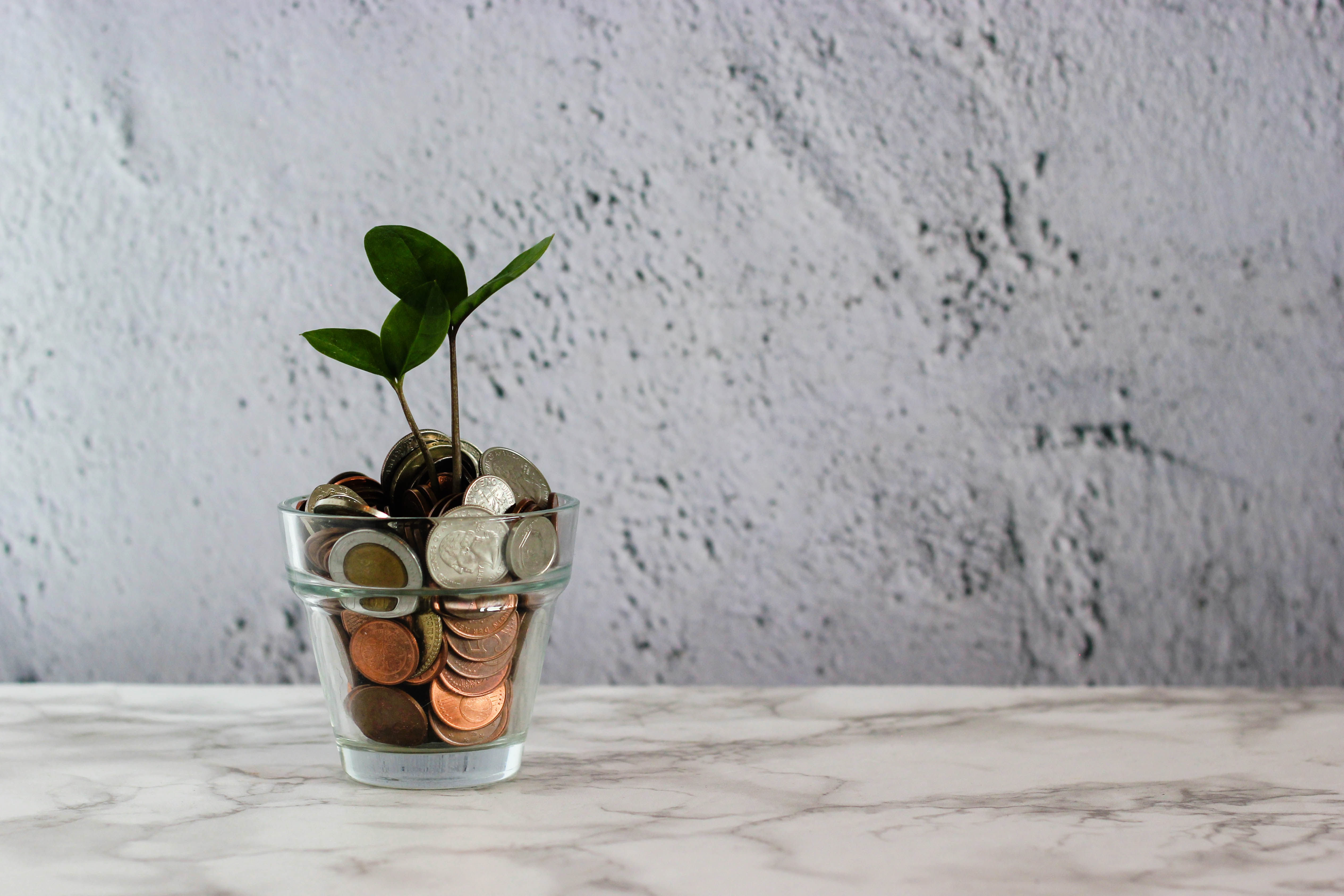
As painful as it was to hear at the time, she was asking the question beneath all my other questions: Who would I be now that I believed I had nothing? What would I do? How would I move forward? Those questions forced me to confront where my hope was rooted and whether my identity had become attached to things that could so easily be taken away. If I’m honest, my reaction to losing them exposed just how much of my identity had been tied to them in the first place.
Over time however, I slowly began putting one foot in front of the other. I started getting out of bed again. Even something as simple as opening my curtains each morning felt like a victory. I returned to my day-to-day activities. I continued going to church, even though worship almost always brought me to tears. I did my best to keep praying, even when all I could muster were complaints, questions, and the repeated “Why me?” Part of me hoped everything would somehow be restored, while another part struggled to understand how a good God could allow such pain. Yet through it all, there was something in me that refused to let go of Him. When I read Jacob’s words, “I will not let you go unless you bless me,” I recognise something of myself in them.
The blessing
After a very long process of pruning, and shaping of character, the blessing I received months later looked a lot different from what I expected. That blessing was peace in my circumstance. Not because every question was answered. Not even because everything was immediately restored. But because somewhere in the middle of the struggle, God changed me. He changed my wants, my desires, my hopes, my appetite, and even my endurance. My circumstances did not change overnight, but my perspective did. Instead of focusing solely on everything that had been taken from me, I slowly began to recognise everything that had been left.
I still had avenues that would help me rebuild. The fact my therapist catered to my situation was a blessing. I still had the support of my parents, which was a blessing. My situation was difficult, but it could have been far worse. While I was down, I was certainly not out. But even still, Jacob walked away from his wrestle with a blessing, a new identity, and a limp. Signs that the encounter left its mark on him.
So did mine.

My experience shaped me so deeply that even when the situation eventually turned around and was restored, I knew I could never place my hope or trust in the things I had before, due to my own personal reminder of the pain. Those things don’t excite me in the same way they used to. Instead, character does. Because when everything else was stripped away, it wasn’t the things I previously held onto that carried me through. It was the character God was building in me and the faithfulness He showed me along the way. And so, as I reflected on this passage, I was challenged by the thought that perhaps wrestling with God is not a sign of weak faith. Perhaps instead, it is evidence that our faith is real enough to bring our questions, disappointments, fears, and pain before Him.
I believe that Jacob did not prevail because he overpowered God – he prevailed because he refused to let go. And maybe that’s what it means when we wrestle with God: not that we emerge with all the answers, but that we hold onto Him in the middle of the chaos and confusion until, somewhere along the way, He changes us.